B&NES Digital and Technology Strategy - resident engagement
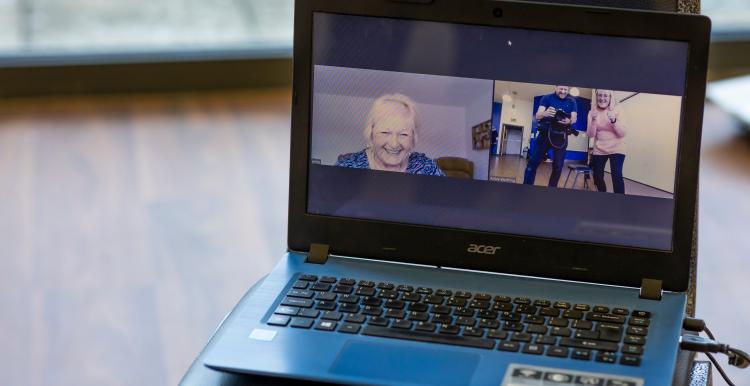
The intention was to make sure residents’ views were captured early on, particularly around how digital and technology‑enabled care (TEC) is currently being used in people’s homes, what works well, and what concerns residents have about the increasing use of technology in social care.
Healthwatch was asked to support this work by helping to shape the engagement approach and by using our networks and experience to reach people who may not normally respond to council consultations.
Approach taken
Initial meetings were held with commissioners and officers in July 2025 to understand the scope of the strategy, planned timescales and how engagement would feed into decision‑making. It was clear from the outset that the strategy was developing to a tight timetable, with a need to gather insight quickly to support drafting by autumn 2025.
Healthwatch supported the early design of a resident survey. This included commenting on question wording, accessibility and structure, and ensuring space was included for open‑ended responses so residents could explain their experiences and concerns in their own words. We also ensured that demographic questions aligned with the Healthwatch England framework, which we are required to use, and that participants could indicate whether they were willing to be contacted for future engagement.
Alongside the survey design, we worked with council colleagues on an engagement plan to reach specific groups such as older residents, disabled people, carers and people who may be digitally excluded. This focused on using existing trusted routes, including voluntary and community sector organisations and provider networks, alongside broader council communications activity.
The survey and supporting materials went through internal council review processes, including review by the Insight Team and consideration of governance and ethics requirements, given the involvement of an external organisation and the intention to engage with adults with learning disabilities. Healthwatch responded to feedback and amendments as part of this process.
What the engagement gathered
The survey provided early insight into how residents currently use digital tools and technology‑enabled care in their homes, ranging from specialist equipment such as alarms and sensors through to more everyday technology like smartphones and voice‑activated devices.
Responses highlighted both perceived benefits and concerns. While some residents saw technology as supportive of independence and reassurance, others raised worries about accessibility, digital confidence and the risk of reduced human contact. The inclusion of free‑text responses meant residents were able to explain these views in more detail rather than simply selecting fixed options.
The survey also helped identify residents who were interested in further involvement, providing a potential foundation for ongoing engagement as the strategy develops.
Constraints and learning
This piece of work was delivered within tight timescales linked to the wider strategy development process. In addition, internal review and sign‑off processes reduced the available window for live engagement.
As a result, engagement was focused on a survey‑based approach with targeted distribution, rather than the more in‑depth and iterative engagement that Healthwatch would normally aim to deliver, such as facilitated workshops or longer co‑design activity. The local authority stepped up its resources to meet this challenge, with the project team holding guided conversations with resident groups, and care staff engaging in 1-1 discussions with residents.
Earlier alignment on timescales and governance would support more meaningful co‑production. This will be taken into account for planning of future phases of work. The learning is particularly important where engagement is intended to shape service design rather than inform strategy at a high level.
Added value of Healthwatch involvement
Healthwatch’s role added value by bringing an independent perspective focused on accessibility and inclusion, and by supporting conversations about how digital change is experienced by residents rather than only how it is designed at system level. Our involvement also helped ensure engagement activity aligned with national Healthwatch standards and expectations around resident voice.
Overall, this work provides evidence of co‑production intent within the constraints of the project timeline, while also identifying clear learning that can strengthen future engagement activity as the Digital and Technology Strategy moves into delivery.